

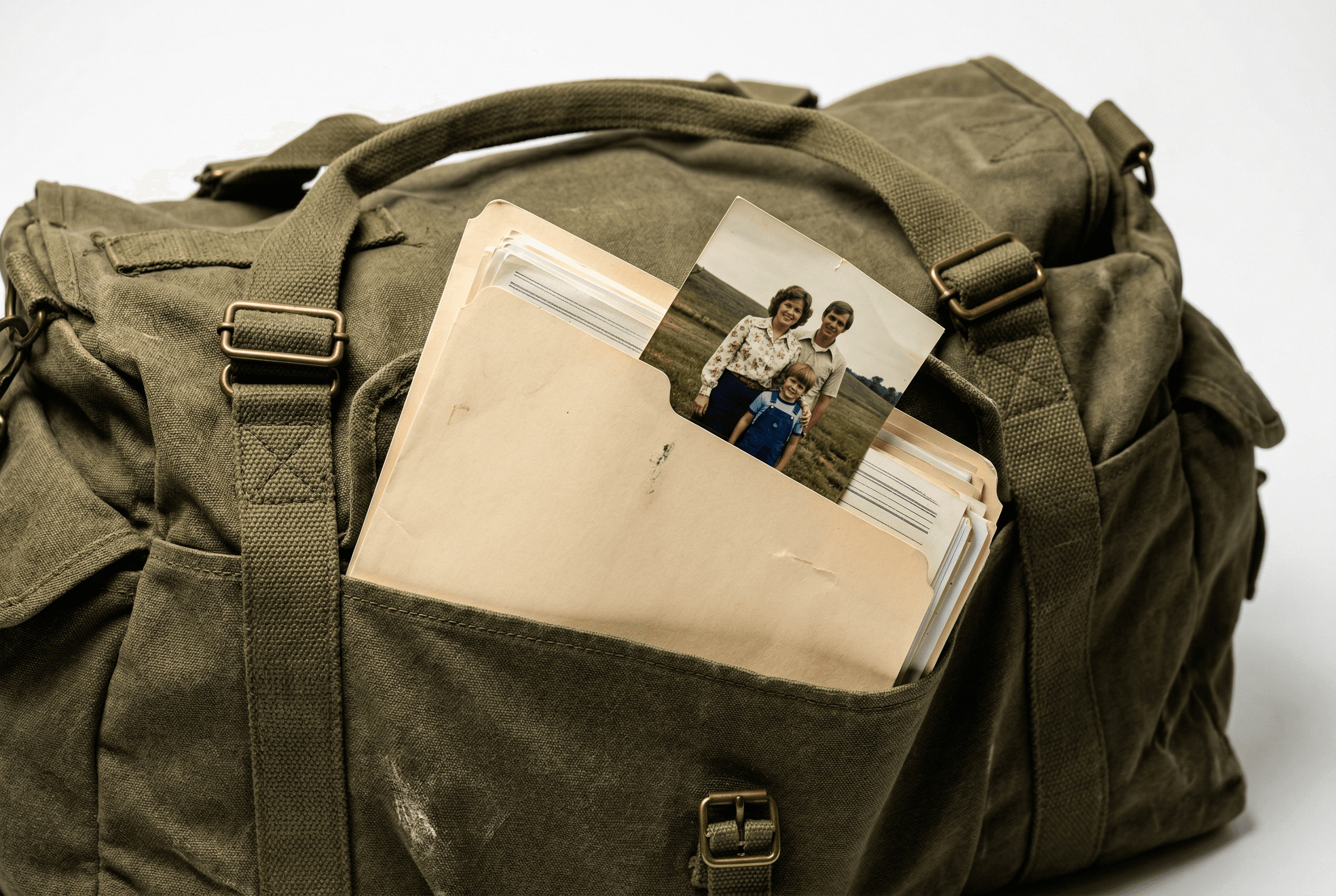
There's a conversation I have more often than you'd expect. A service member sits across from me, orders in hand, deployment date locked. And somewhere in the middle of that conversation, the question comes out: "What happens to our immigration case while I'm gone?"
Every deployment brings uncertainty. Your immigration case shouldn't add to it. The truth is, with the right preparation, your case can keep moving forward even when you're thousands of miles away. But that preparation has to happen before you ship out, not after.
The Pre-Deployment Checklist
The weeks before deployment are chaotic. I get it. But carving out time for immigration planning during that window is one of the highest-value things you can do for your family. Here's what I walk through with every client facing deployment:
1. Set Up a Power of Attorney
A Power of Attorney (POA) lets someone act on your behalf while you're deployed. For immigration purposes, you need a specific, limited POA that names your attorney or spouse as your representative for immigration-related actions.
A general POA from the JAG office might not cover what you need. Immigration actions have their own requirements, and USCIS may not accept a generic authorization. Get one drafted specifically for your immigration case. Your immigration attorney can prepare this, and it takes about 15 minutes to execute.
2. Gather and Organize Every Document
Before you leave, assemble everything your attorney might need while you're gone:
- Military service records (DD-214, service verification letters, deployment orders)
- Marriage certificate and any prior divorce decrees
- Birth certificates for children included in the case
- Passport copies for all parties
- Financial documents (tax returns, pay stubs, bank statements)
- Any prior immigration filings or USCIS correspondence
I tell clients to think of it like packing for deployment itself. You wouldn't leave without your gear. Don't leave without your paperwork organized either.
3. File Before You Go (When Possible)
If your case is ready, file it before deployment. Starting the clock early means your case is processing while you're away instead of sitting idle. Your attorney can manage routine correspondence, respond to Requests for Evidence (RFEs), and keep everything moving without you being stateside.
There are situations where filing before deployment isn't ideal. If a biometrics appointment or interview is likely to land during your deployment window, the timing math might not work. That's a judgment call your attorney should make based on current processing times.
SCRA Protections and What They Mean for Immigration
The Servicemembers Civil Relief Act (SCRA) is a federal law that protects active-duty service members from certain legal actions while they're deployed. It was written primarily for civil court matters, but it has real implications for immigration cases too.
What the SCRA can help with:
- Interview rescheduling: USCIS will generally reschedule interviews when a service member is deployed. Provide a copy of deployment orders with your request.
- Deadline extensions: If USCIS issues an RFE or a Notice of Intent to Deny, your attorney can request additional time citing SCRA protections.
- Postponement of proceedings: In removal or court proceedings, the SCRA can be used to request a stay until the service member returns.
What the SCRA won't do: it won't speed up processing, it won't waive filing requirements, and it won't substitute for your physical presence if USCIS requires it. It's a shield, not a shortcut.
What Your Attorney Can and Can't Do While You're Gone
Let me be honest about boundaries. Your immigration attorney is your advocate, but there are things that require your direct involvement even during deployment.
What your attorney can do:
- File applications and petitions on your behalf
- Respond to RFEs and Notices using pre-gathered documentation
- Communicate with USCIS on case status and scheduling
- Request interview rescheduling based on deployment orders
- Prepare your spouse for any appointments they need to attend alone
What your attorney can't do:
- Attend your USCIS interview in your place (they can accompany your spouse, but not substitute for you)
- Sign documents that require your personal signature
- Complete your biometrics appointment
This is why pre-deployment preparation matters so much. The more you get done before you leave, the less your case depends on things that require your physical presence.
Communication During Deployment
Communication access varies wildly depending on where you're deployed and what branch you're in. Some locations have reliable internet and phone access. Others have almost none. Here's what I recommend:
Designate your spouse as the point of contact. Your attorney should be able to work with your spouse on day-to-day matters. Make sure your spouse knows the case status, has access to documents, and understands the next steps.
Set up a shared secure folder. Before you deploy, put all immigration documents in a cloud folder that both you and your spouse can access. If your attorney needs something, your spouse can find and send it without waiting for you.
Agree on a communication cadence. Even if it's just a monthly email update from your attorney, having a predictable rhythm reduces anxiety for everyone involved.
How Occam Supports Deployed Families
At Occam Immigration, we build our process around military timelines because military families don't get to build their lives around USCIS processing times. When a client tells me they're deploying, we shift into preparation mode immediately.
We front-load everything we can. Documents gathered, applications filed, POA executed, spouse briefed. When you're downrange, your case is still moving. And when you come home, you're not starting from scratch.
If you're facing deployment and have an active or upcoming immigration case, reach out. We'll build a plan that works around your timeline, not the other way around.