
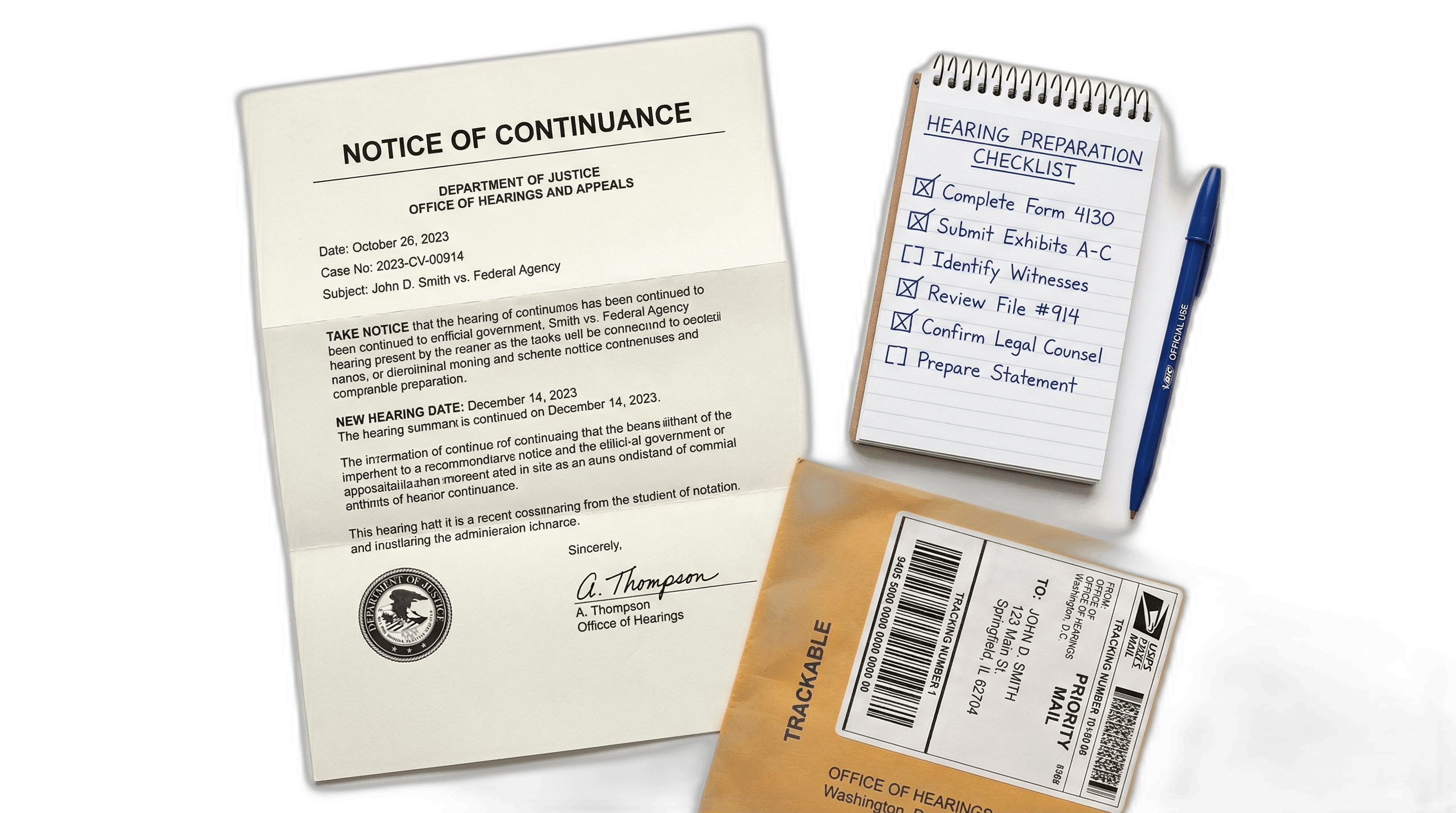
I’ve met so many people who walk into their naturalization interview feeling both excited and nervous. And for good reason—this is a huge step toward becoming a U.S. citizen! But every now and then, instead of walking out with the promise of an approval, they leave with a Notice of Continuance (N-14) or a letter stating, “A decision cannot yet be made on your application.” If that sounds like your situation, don’t panic. In my experience, an N-14 is often just a request for a bit more information or time.
In this article, I’m going to share what I’ve learned from clients who’ve gone through this, why USCIS uses N-14 notices, and how you can respond in a calm, organized way.
What Is a Notice of Continuance?
A Notice of Continuance (often called Form N-14) is essentially USCIS’s way of putting your naturalization case on hold until they can confirm a few missing pieces. I’ve seen this happen when an officer has a couple of unanswered questions after your interview or realizes they need more documents to verify details. It’s different from a denial or rejection—this notice is a pause, not a full stop.
Some common reasons you might receive an N-14:
- USCIS needs official translations of your foreign documents.
- They’re missing a certified court record for a past legal issue you mentioned.
- You struggled with part of your English or civics test, and they want to reschedule you for a retest.
My Experience with Notices of Continuance
When I first started helping people with naturalization, I worried that an N-14 might mean big trouble for them. But over time, I’ve seen that it’s usually about tying up loose ends. One of my clients received an N-14 because she forgot to mention a small traffic ticket from years ago. The officer wanted a copy of the court record just to confirm it wasn’t a serious offense. She mailed in the record right away, and her application was approved within a few weeks.
So, in most cases, these notices are not the end of your citizenship journey. They’re simply a request for more clarity.
Why USCIS Might Issue an N-14
Based on what I’ve observed, here are some of the most common triggers for a Notice of Continuance:
- Document Gaps
- If there’s a mismatch between the information you gave in the interview and what USCIS has on file, they might ask for extra proof.
- Incomplete Application
- Maybe you left a question blank on Form N-400, or the officer couldn’t verify a date or address you provided.
- Name or Identity Questions
- If you legally changed your name or have used multiple spellings, USCIS might need updated records or court documents.
- Background or Court Records
- Even minor incidents—like an old shoplifting charge or repeated traffic violations—can lead to questions about good moral character.
- Retest on English or Civics
- Sometimes, you might be asked to come back if you had trouble reading, writing, or answering the civics questions.
How to Respond Confidently
Step 1: Carefully Read the N-14
- Each notice spells out exactly what USCIS wants and by when. Highlight or underline deadlines and any specific instructions.
- If something isn’t clear, jot down your questions right away.
Step 2: Gather & Organize Your Documents
- Create a simple checklist of every piece of evidence they’re asking for.
- If you need to get certified copies (like a certified court disposition), contact the court as soon as possible. Courts can sometimes take a while to process requests.
Step 3: Write a Cover Letter (Optional)
- I’ve found a short cover letter helps. Summarize what you’re sending and why. For example: “Enclosed please find a certified copy of my marriage certificate to resolve any name discrepancies.”
Step 4: Submit on Time
- Deadlines in immigration cases are important. Send your documents or schedule your retest appointment well before the due date.
- I always recommend using a trackable mailing service so you can confirm the package arrived.
Step 5: Keep Copies
- It might feel like extra work, but having duplicates of everything saves you from any future mix-ups.
What Happens After You Send Your Response?
Once USCIS gets your documents or completes the pending action (like a background check), they’ll review your case again. Based on my clients’ experiences:
- Quick Turnaround: Sometimes, you’ll hear back within a few weeks—especially if the issue was minor.
- Moderate Wait: Other times, the officer may need a few months to finalize the decision, especially if they’re dealing with a backlog.
If the officer finds everything in order, you’ll likely move on to the Oath of Allegiance. If more questions pop up—or if you didn’t provide what they asked for—you might get another notice. In rare cases, they might issue a denial, but that usually happens if there’s a major unresolved problem.
Real Stories from My Clients
- Jorge’s Name Change: Jorge had legally changed his name after marrying, but forgot to bring his name-change decree to the interview. The officer gave him an N-14, asking for the decree. After mailing a certified copy, he was approved.
- Anya’s Old Traffic Tickets: Anya had multiple minor traffic violations but never included the details in her N-400. USCIS wanted to see official records from the local court. She responded with everything they asked for, and two months later, she was taking her oath.
These stories show that an N-14 can be handled smoothly if you follow the instructions and stay organized.
FAQs About Notices of Continuance
Q: Do I have to go back for another interview?
A: Not always. If USCIS just needs documents, you can usually mail them. You’ll only return if there’s a retest or further questioning needed.
Q: How long do I have to respond?
A: The notice should list a specific deadline—often 30 days, 60 days, or occasionally more. Make sure you pay attention to that date.
Q: Can I request an extension?
A: USCIS typically doesn’t grant extensions, so it’s best to gather your materials quickly. If you have a serious reason you can’t meet the deadline, consult an immigration attorney to see if there’s any flexibility.
Q: Does this affect my green card or work authorization?
A: Not usually. If you’re already a lawful permanent resident, your status remains valid while waiting on the naturalization decision.
Keeping a Positive Outlook
A Notice of Continuance can feel like a speed bump on your road to citizenship, but it’s rarely a dead end. In my experience, the best approach is to stay calm, read carefully, gather what’s missing, and submit everything in an organized manner. Most of my clients who follow these steps get their approval shortly afterward.
If you feel overwhelmed by what they’re asking for—maybe it’s a legal document you don’t have, or you’re unsure about how to prove certain dates—don’t hesitate to reach out for professional help. Sometimes, a short consultation with a knowledgeable source can clear up confusion and speed up your response.
In Closing
So, you’ve received a Notice of Continuance (N-14) instead of an immediate approval after your naturalization interview. Take a deep breath and remember that many applicants have been in your shoes—and successfully navigated their way to U.S. citizenship. By understanding why USCIS sent the notice, collecting the right documents, and sending everything on time, you’ll keep your case moving forward.
Whether it’s clarifying a name change, updating missing paperwork, or scheduling a retest, an N-14 is simply a stepping stone to your final goal: the Oath of Allegiance and the joy of becoming a U.S. citizen.