

One of the biggest hurdles couples face when applying for a marriage-based green card is convincing immigration authorities that their marriage is genuine—not just a formality for immigration benefits. As someone who’s helped couples navigate this process, I can tell you that demonstrating a “bona fide marriage” is about telling your story in a way that makes sense to the USCIS officer reviewing your case.
In this article, I’ll explore the key types of evidence USCIS typically looks for, plus a few real-life examples of how my clients handled tricky situations. By learning from their experiences, you’ll be better prepared to present a rock-solid case of your own.
Why Proving a Bona Fide Marriage Matters
Think of it this way: USCIS officers want to be sure you’re not just tying the knot for a green card. If your application package only has a marriage certificate and a few forms, they might suspect fraud or ask for more details.
I’ve seen couples come to me after receiving a Request for Evidence (RFE), panicked because USCIS wanted proof that they live together or truly share a life. They’d say, “We thought the certificate was enough!”—but it’s not.
Your goal is to show that you and your spouse have interwoven lives—financially, emotionally, and socially.
Financial Documents: The Bedrock of “Shared Life” Evidence
The first place USCIS typically looks is at your money trail—they want to see if you and your spouse commingle finances like "most" married couples. I know, this is archaic and not necessarily done today like it was in previous generations, but nonetheless, its one of the highest value items of evidence you can have.
Common Financial Evidence:
- Joint Bank Accounts
- Monthly statements with both names, showing regular transactions.
- Don't just open the account - use it!
- Shared Credit Cards or Loans
- Proof that both spouses are responsible for payments.
- Even a small credit card in both names can signal combined finances.
- Tax Returns Filed Jointly
- If you’ve been married during tax season, a joint return is a strong piece of evidence.
- That said, I’ve worked with couples who, for personal reasons, didn’t file jointly. We simply explained why and provided other solid proof of shared finances.
- Evidence of Bills in Both Names
- Utilities, internet, cell phone family plans, etc.
- The more monthly responsibilities you share, the better.
Note: When a foreign spouse doesn't have a social security number or any credit, it may be a challenge to get joint accounts. That's when you have to get creative.
Living Arrangements: Showing You Share a Home
Next, USCIS wants to see whether you’re actually living together as spouses—unless you have a valid reason for being apart (like military deployment or job relocation).
Helpful Housing Evidence:
- Joint Lease or Mortgage
- Both names listed as co-tenants or co-owners.
- If you can’t legally add your spouse to the lease, include a letter from your landlord explaining the situation and acknowledging you both live there.
- Shared Utilities
- Gas, electric, water—anything indicating you reside under the same roof.
- Even if only one spouse is the primary account holder, listing the other as a secondary contact can help.
- Address Consistency
- Make sure your driver’s licenses, state IDs, or any official mail show the same address.
- I routinely advise my clients to get their IDs updated ASAP to be prepared for questioning by the USCIS officer.
Personal Tip: If you’re in a legitimate long-distance situation, don’t panic. Explain clearly why you can’t share a home right now, and back it up with evidence (like job contracts or documentation of frequent travel to see each other).
Photos & Social Media: More Than Just Pretty Pictures
USCIS isn’t lurking on your Instagram, but they do appreciate seeing visual proof you’ve been together at family gatherings, trips, or holidays. That said, a bunch of random selfies without context may not be enough.
Making Photos Count:
- Label Your Photos
- Add short descriptions—e.g., “Thanksgiving 2022 at my mother’s house in Dallas,” or “Honeymoon in Hawaii, June 2023.”
- Show who’s in the photo and the date if possible.
- Variety of Events
- Include pictures from different points in your relationship: meeting each other’s families, birthdays, weekend getaways, cultural or religious events.
- Keep It Real
- You don’t need 100 professional photos. Casual moments can illustrate how you spend time together day-to-day. Screenshots from social media posts work well too.
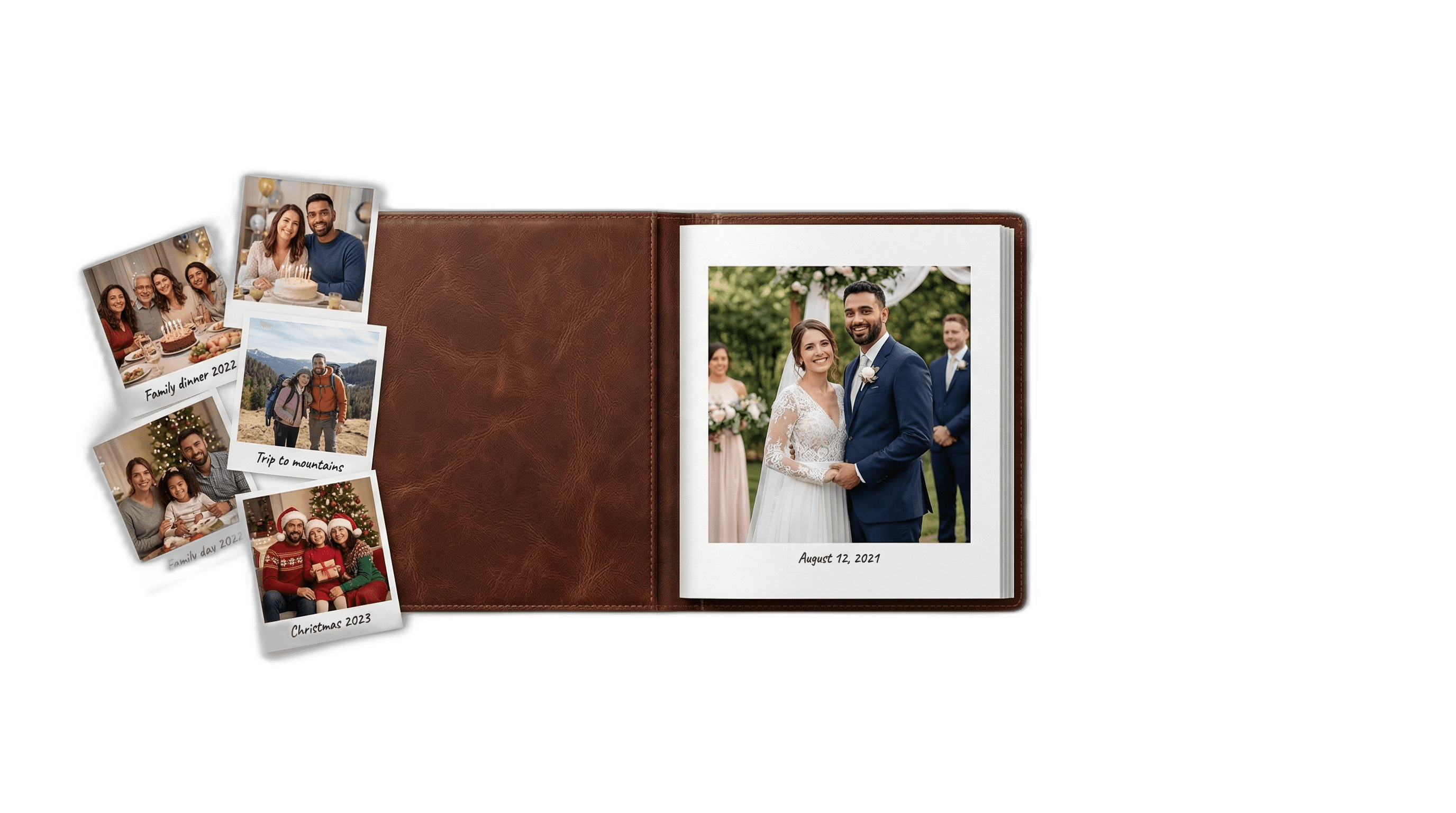
Personal Note: Photos are "secondary evidence." They won't make your case, so don't go overboard. 15-20 are enough. Then, print a photo book or photo album to bring to your interview. USCIS officers like to use photos to ask questions about your lives.
Letters & Affidavits: Having Friends and Family Vouch for You
Sometimes, hearing from the people in your life helps USCIS see that your marriage is genuine. Affidavits or letters from close friends and family can back up your story, especially if they’ve seen your relationship develop over time.
Tips for Effective Letters:
- Detail the Relationship
- The writer should mention how they know each of you and what they’ve observed about your marriage.
- “I was at their wedding,” or “I visit their apartment every week,” gives real-world context.
- Keep It Specific
- Generic statements like “They are truly in love” don’t help much. Include personal anecdotes, like times you hosted a barbecue together or overcame a tough situation as a couple.
- Notarization
- Having the letters notarized can add credibility, though it’s not always required.
Personal Note: I had a client whose parents lived abroad, but they still wrote letters describing the couple’s visits and shared FaceTime calls. It’s amazing how a heartfelt paragraph can help paint a clearer picture of your life together.
Communication Logs: When Distance or Culture Plays a Role
Not every couple has a “normal” living setup. Some maintain long-distance relationships due to careers, military service, or cultural obligations. In these cases, proving you’re still connected is key.
Communication Evidence:
- Call & Chat Records
- Screenshots from WhatsApp, FaceTime, or any messaging app can show regular communication over a period of time.
- If you’re worried about privacy, black out personal info—USCIS only needs to see the dates and frequency.
- Travel Receipts
- Plane tickets, hotel bookings, or itineraries show you visit each other when possible.
- Even short weekend trips can demonstrate your commitment.
- Gifts & Cards
- Keep evidence of care packages, holiday cards, or letters.
- A client once saved every card her spouse sent while stationed abroad, which became invaluable to prove their ongoing emotional bond.
Personal Tip: Don’t feel you have to print out thousands of texts. A sampling across different months—especially highlighting significant events—can suffice. Also be aware that you will have to have communication in foreign languages translated.
Explaining Unusual Situations
Life isn’t always cookie-cutter. Maybe you:
- Married quickly due to personal or family reasons.
- Have a big age gap.
- Have different religions, or come from very distinct cultural backgrounds.
**That’s okay—**it doesn’t mean your marriage is fake. It just means USCIS might have more questions.
How to Address These Situations:
- Offer Context
- If you come from different cultural backgrounds where spouses often keep separate bank accounts, explain that in your cover letter or affidavit.
- If you had a short courtship, detail how you quickly realized you wanted to spend your lives together.
- Stay Consistent
- Make sure your forms, letters, and statements to USCIS all match up on key dates, addresses, and timelines.
- Inconsistent details can raise red flags, so keep a personal timeline handy.
- Show Extra Evidence
- The bigger the potential red flag, the more documents you might want to gather—like extra photos, more affidavits, or detailed explanations.
Personal Note: I often work with couples with significant age gaps. They worry USCIS would see it as suspicious. We prepare thorough documentation of their relationship milestones, plus letters from families, and their cases are routinely approved.
What Happens If You Don’t Provide Enough Evidence?
If USCIS isn’t convinced your marriage is bona fide, you could get:
- RFEs requesting more documents.
- Notices of Intent to Deny (NOIDs) if they strongly suspect fraud or major inconsistencies.
- Denials, leading you to either appeal, file a motion to reopen, or re-file with stronger evidence.
Don’t panic if you’re in this boat—I’ve helped many couples rebound from a denied case by gathering the right proof and clarifying misunderstandings. The key is to address issues quickly and thoroughly.
Wrapping It Up: Your Marriage, Your Story
At the end of the day, USCIS wants the full picture—a story of two people sharing a life. Financial records, photos, affidavits, and other bits of everyday evidence help paint that picture. It might feel invasive, but think of it as a short-term hassle that guarantees a long-term benefit: living together in the United States without fear of separation.
Takeaways:
- Financial Evidence: Joint accounts, shared bills, and tax returns.
- Living Arrangements: Joint leases, consistent addresses, or clear reasons for living apart.
- Photos & Social Media: Focus on variety, context, and labeling.
- Letters from Others: Specific, story-driven affidavits or statements.
- Communication Proof: Show that you’re in regular contact, especially if you’re long-distance.
- Explain the Unusual: Provide context for quick marriages, age gaps, cultural differences, etc.
Most important: be genuine, be organized, and don’t hesitate to clarify anything that might look odd on paper.