

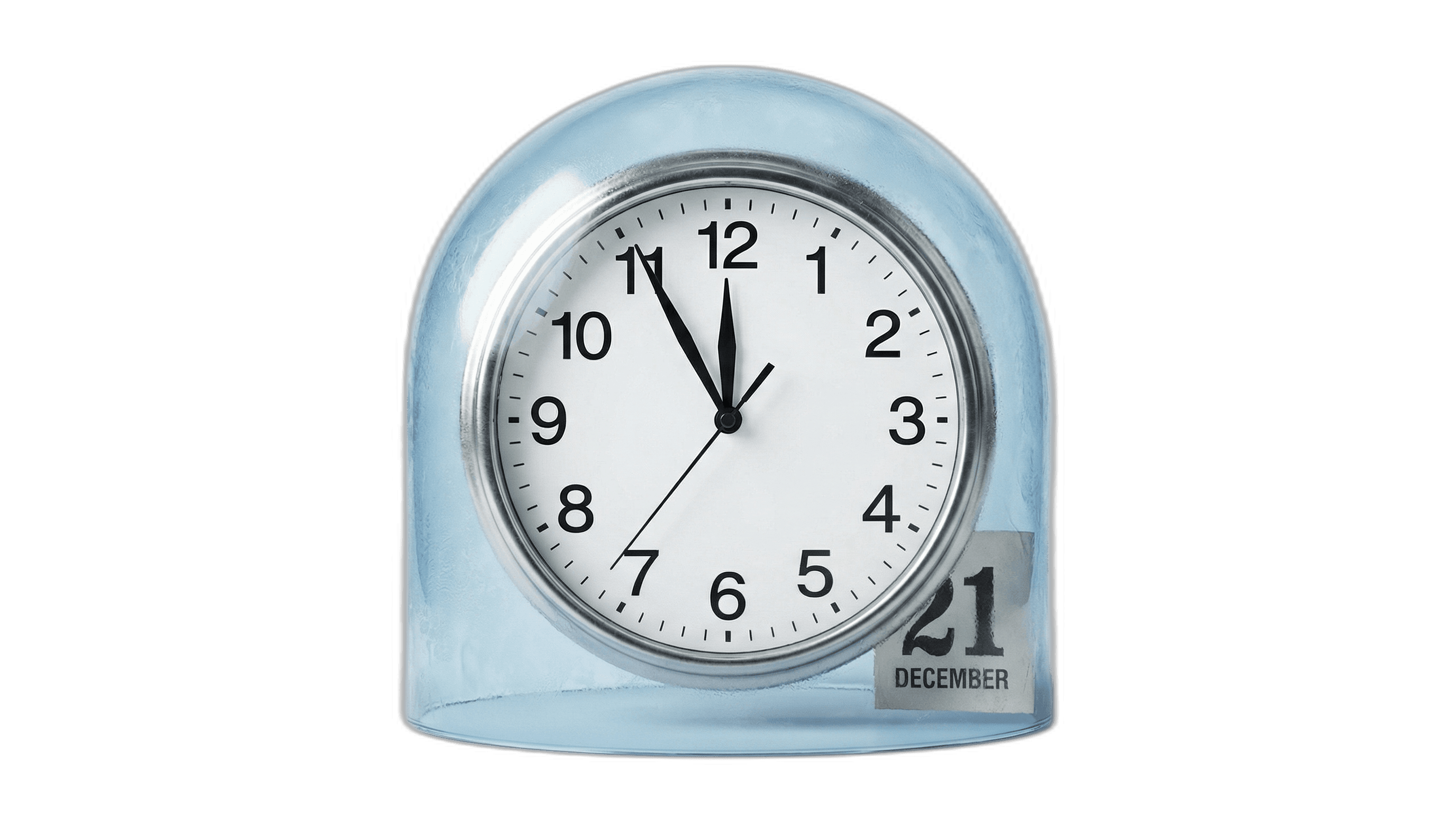
I still remember a frantic phone call from a parent whose son was days away from turning 21. They were terrified he'd lose his "child" status under U.S. immigration law and risk being separated from his family indefinitely. The stakes felt higher than ever. That's exactly when the Child Status Protection Act (CSPA) came into play and saved the day.
If you have a child close to their 21st birthday—or even just shy of it—it's natural to feel that pressure in your gut. After all, "aging out" can turn what should be a straightforward Green Card application into a nerve-racking race against the clock. In this article, I'll share how CSPA can "freeze" your child's legal age and keep them in the Immediate Relative category, so they don't slide into a lower-priority group that could delay their Green Card by years.
What Does 'Aging Out' Really Mean?
In immigration terms, a "child" must be unmarried and under 21. The second your son or daughter turns 21, they're no longer considered a child in the eyes of U.S. immigration law. Overnight, they might lose eligibility for certain fast-track pathways, ending up in a family preference category with longer wait times. It's nerve-wracking. If you're like many parents, you might suddenly be checking calendars, scanning deadlines, and hoping nothing interrupts your child's filing process.
Enter the Child Status Protection Act (CSPA)
CSPA was passed to help kids avoid "aging out" due to government processing delays. Here's how it generally works:
- Locking in the Child's Age
- Picture this: If your child was 20 when you filed the I-130 (Petition for Alien Relative), CSPA can let them remain 20 for immigration purposes—even if they turn 21 later in the process.
- Extra Protection Against Delays
- Sometimes, USCIS or the consulate takes longer than usual to process applications. Under CSPA, the months spent waiting for a petition's approval can be subtracted from your child's real age, keeping them in the "child" category.
- Immediate Relative Benefits
- When CSPA applies, your child stays in the Immediate Relative category if you're a U.S. citizen sponsoring them. This category has no annual cap on visas, so approval usually comes faster than other family-based categories.
My Personal Experience with CSPA
I'll never forget the relief in that father's voice when we confirmed his son could still qualify. We calculated the dates: the I-130 was pending for 6 months, and those 6 months were subtracted from his son's chronological age of 21, effectively rolling him back to 20 in "immigration years." It was like turning back the clock—legally, at least.
Since then, I've guided numerous parents through this same process, and each time I see the same wave of relief when they realize CSPA might just be their safety net.
Who Qualifies for CSPA?
It's not automatic for everyone, so here are key points:
- Petition Filing
- Typically, you (the U.S. citizen parent) must file the I-130 before your child turns 21.
- If you wait until after they've passed 21, CSPA generally can't help.
- Timing Is Everything
- After the I-130 is approved (and if a visa is available), your child should promptly file the I-485 (Adjustment of Status) or proceed with consular processing. Delaying that next step could mean missing out on CSPA benefits.
- Unmarried Status
- Your child has to stay unmarried. A wedding before the Green Card is approved can change their immigration category.
- Immediate Relative Category
- CSPA is most common for children of U.S. citizens (Immediate Relatives). If you're a permanent resident sponsor, the rules are a bit more complex, and wait times for a visa number can come into play.
Avoiding Pitfalls: Key Tips for Parents
Even with CSPA, a few missteps can jeopardize that protection:
- File Early
- Don't wait until your child is turning 20. If you can, file when they're 18 or 19. Every extra month can make a difference.
- Keep Records
- Make sure you have official documents—like birth certificates and any translations—organized and ready to go. If USCIS issues a Request for Evidence (RFE), the delay can affect your child's CSPA calculation window.
- Meet the 'One-Year' Requirement
- Once your child's priority date becomes current (or the I-130 is approved), they usually have one year to seek their Green Card (such as filing I-485 or starting consular processing) to use their CSPA age. Missing this can cancel out their eligibility.
- Get Professional Help
- An immigration attorney can calculate CSPA timeframes more precisely and ensure no detail is overlooked. This is especially important if your child's birthday is right around the corner.
Real-Life Example: Danielle's Close Call
Danielle's mother contacted me in panic mode. Danielle was 20½, and they hadn't even filed the I-130. We jumped on it immediately, filed within a week, and waited. USCIS took four months to approve the petition—pushing Danielle's real age past 21. However, that four-month wait was subtracted from her "immigration age," leaving her well within the window to file her I-485. Crisis averted.
Danielle and her mother's story is a perfect example of how CSPA can be the lifeline you need when deadlines loom. But it also shows how crucial it is to start the process as soon as possible.
How We Help
Occam Immigration offers a Fast-Track-to-Filing Program, which means we aim to get your child's I-130 or adjustment package submitted in 30 days or less once we have all the needed documents. Why does that matter?
- The clock is ticking on your child's 21st birthday.
- Every day you wait, you risk losing out on CSPA protection.
- Our method involves strict internal deadlines, customized checklists, and thorough reviews, so we don't waste a single day.
Ultimately, our priority is helping families stay together, without the constant fear that some bureaucratic rule will keep you apart.
Final Thoughts
Getting a Green Card for your child shouldn't feel like gambling with their future. The Child Status Protection Act is an incredible tool, but its details can be confusing if you're not accustomed to immigration law. I've seen firsthand how quickly relief sets in when a parent realizes their child won't "age out" and can remain in the Immediate Relative category.
If your child is nearing 21—don't wait. Reach out for help, learn about CSPA, and move fast. Trust me, there's no better feeling than seeing parents and children relieved, side by side, knowing their family's future in the United States is secure.
Ready to Protect Your Child's Place?
Call me at (833) 622-6287 or book a consultation with Occam Immigration. We'll help you determine if your child qualifies for CSPA and get those papers filed before the big 21. Because when it comes to your family's right to stay together, every minute counts.