
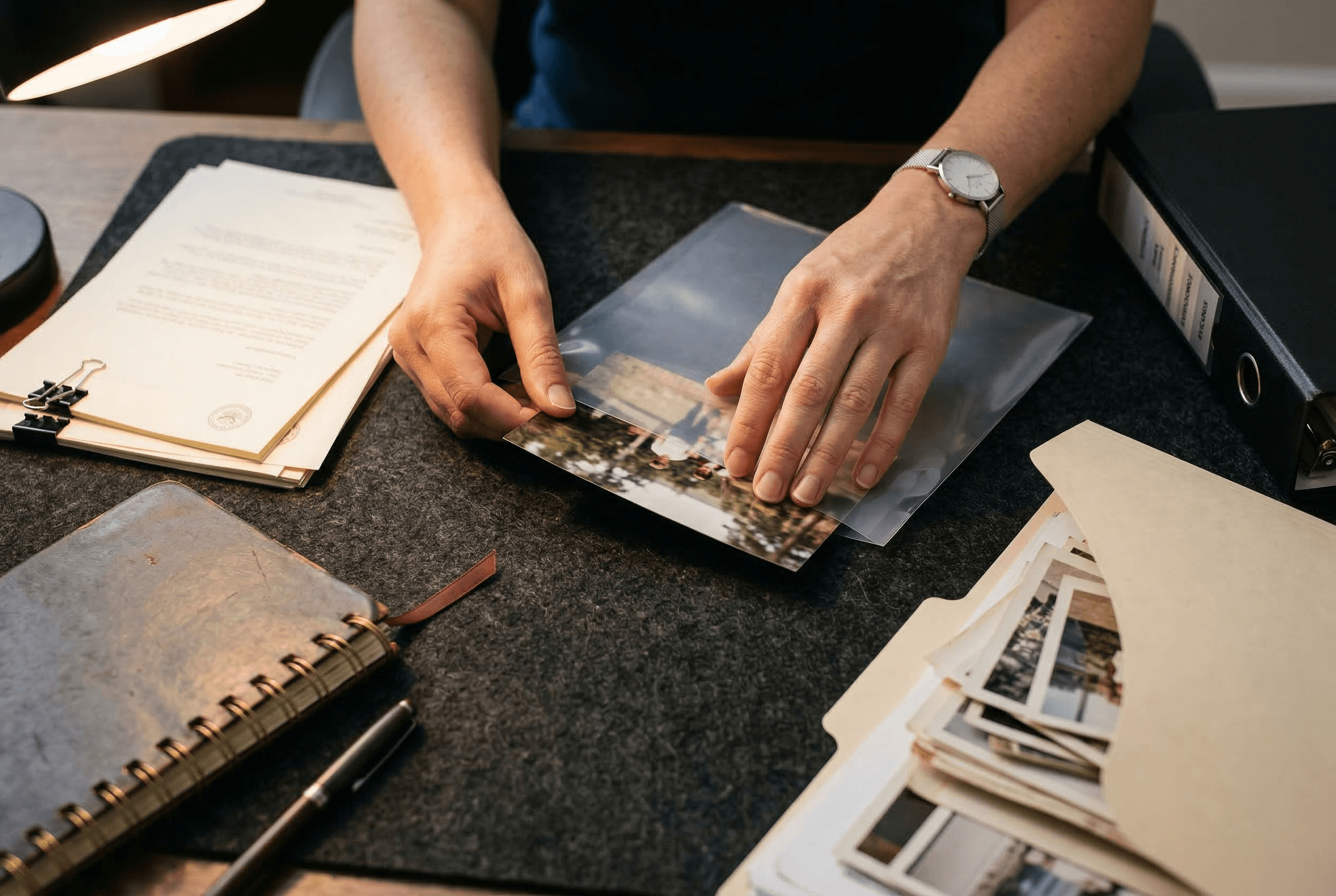
Filing a VAWA self-petition means proving several things at once: that you experienced abuse, that your marriage was entered in good faith, that you have a qualifying relationship to a U.S. citizen or permanent resident, and that you are a person of good moral character living in the United States. That is a lot to document — and it can feel overwhelming, especially when you are still processing what happened to you.
The good news is that USCIS does not expect a perfect evidence package. There is no single document that will make or break your case. What matters is the totality of the evidence — the full picture your documentation paints when taken together.
This guide walks through every category of evidence USCIS evaluates in a VAWA case, what to gather, and how to present it effectively.
The VAWA Evidence Standard
Congress specifically designed VAWA's evidentiary rules to account for the reality of domestic violence. Under the Violence Against Women Act, USCIS must apply the "any credible evidence" standard. This means the agency will consider any relevant evidence you submit, regardless of its form, as long as it is credible.
In practice, this means several important things:
- No single document is required. You do not need a police report, a protective order, or medical records to have a successful case.
- The totality of evidence matters. USCIS looks at your entire evidence package as a whole. Multiple weaker pieces of evidence can combine to create a strong case.
- Your own testimony counts. A detailed, credible personal declaration is itself evidence — and it is often the most important piece in the file.
- USCIS cannot require specific types of evidence. The agency cannot deny your case solely because you failed to produce a particular type of document.
This standard exists because Congress recognized that victims of domestic violence may not have access to traditional forms of evidence. The abuser may have controlled finances, isolated the victim from support networks, or created an environment where reporting was dangerous. The "any credible evidence" standard ensures these realities do not prevent survivors from seeking protection. For a full overview of what you must establish, see our VAWA eligibility requirements guide.
Proving Battery or Extreme Cruelty
This is the core of your VAWA case. You must show that your U.S. citizen or permanent resident spouse (or parent) subjected you to battery or extreme cruelty during the marriage. USCIS interprets these terms broadly.
Physical Abuse Evidence
If you experienced physical violence, the following types of evidence can help document it:
- Medical records — Emergency room visits, doctor's notes, X-rays, or treatment records that document injuries. Even if you did not disclose the cause of injury at the time, the medical documentation of the injury itself is valuable.
- Photographs — Photos of injuries, damaged property, or the scene of an incident. Include dates if possible. Photos stored on your phone with metadata (timestamps, location data) can help establish when incidents occurred.
- Police reports — If you called the police or filed a report, request copies. Remember: police reports are helpful but not required.
- Protective orders — Restraining orders, orders of protection, or no-contact orders issued by a court.
- 911 call records — Recordings or logs of emergency calls you made.
Emotional, Psychological, and Other Forms of Abuse
VAWA recognizes that abuse is not limited to physical violence. "Extreme cruelty" encompasses a wide range of controlling, threatening, and degrading behaviors. Evidence of non-physical abuse includes:
- Therapy or counseling records — Records from a therapist, psychologist, or counselor documenting the emotional impact of the abuse. A letter from your mental health provider describing your symptoms and their connection to the abusive relationship is particularly valuable.
- Threatening communications — Text messages, emails, voicemails, or social media messages that show threats, insults, controlling demands, or manipulative behavior. Screenshot these with timestamps.
- Evidence of controlling behavior — Documentation showing your spouse controlled your finances, monitored your movements, restricted your contact with family or friends, threatened deportation, or destroyed your immigration documents.
- Evidence of economic abuse — Bank statements showing financial control, evidence of being denied access to money, or records showing your spouse withheld financial support as a form of control.
- Shelter or hotline records — If you contacted a domestic violence hotline or stayed at a shelter, request records or a letter confirming your contact.
The Personal Declaration
Your personal declaration — sometimes called a personal statement or sworn affidavit — is the single most important piece of evidence in your VAWA case. It is your chance to tell your story in your own words, providing the narrative thread that ties all of your other evidence together.
A strong personal declaration should:
- Tell your story chronologically. Start with how you met your spouse, describe the courtship and marriage, and then detail how the abuse began and escalated. A clear timeline helps the adjudicator follow your narrative.
- Be specific. Include dates, locations, and detailed descriptions of incidents. Instead of writing "he was violent," describe exactly what happened: "On March 15, 2023, he threw a plate at me in our kitchen, which hit the wall next to my head and shattered." Specificity builds credibility.
- Describe the emotional impact. Explain how the abuse affected you — fear, anxiety, depression, isolation, difficulty sleeping, changes in your behavior. The emotional toll is part of the evidence of extreme cruelty.
- Explain why you stayed or did not report. USCIS adjudicators understand the dynamics of abusive relationships, but addressing this directly strengthens your credibility. Explain the factors that kept you in the relationship — fear, financial dependence, immigration status concerns, children, cultural pressure, isolation from support networks.
- Reference your supporting evidence. When you mention an incident, note the exhibit that supports it: "See Exhibit C, medical records from Memorial Hospital, dated March 16, 2023." This connects your narrative to the documentary evidence.
Your declaration should be written in the first person and signed under penalty of perjury. There is no required length, but most effective declarations are between 10 and 30 pages. Be thorough but avoid unnecessary repetition.
Good Faith Marriage Evidence
You must show that you entered the marriage in good faith — meaning you married because you wanted to build a life together, not to obtain an immigration benefit. This requirement exists in VAWA cases just as it does in standard marriage-based green card cases, though USCIS applies it with sensitivity to the circumstances of abuse.
Evidence of a good faith marriage includes:
- Joint financial documents — Joint bank accounts, shared credit cards, joint tax returns, joint insurance policies. Even if your spouse controlled the finances, any documentation showing combined financial lives helps.
- Shared housing — Lease agreements or mortgage documents with both names, utility bills at the same address, mail addressed to both spouses at the same location.
- Photographs — Photos from your wedding, holidays, vacations, family events, and everyday life together. Include photos with extended family if available.
- Birth certificates of shared children — Children born during the marriage are strong evidence of a genuine relationship.
- Communications — Early text messages, emails, cards, or letters showing genuine affection and relationship-building, especially from the courtship and early marriage period.
- Affidavits from friends and family — Sworn statements from people who witnessed your relationship and can attest that you entered the marriage genuinely. These are especially valuable if other joint documentation is limited.
USCIS understands that in abusive relationships, the abuser often controls financial accounts and housing arrangements. If your name is not on shared documents because your spouse prevented it, explain this in your personal declaration. The context matters.
Qualifying Relationship Documentation
You must establish that you have (or had) a qualifying relationship with a U.S. citizen or lawful permanent resident. The documentary evidence required depends on your specific relationship:
- Spouse: Marriage certificate (civil, not just religious), plus evidence of the abuser's U.S. citizenship or LPR status (naturalization certificate, passport, green card, or birth certificate).
- Child of abusive parent: Your birth certificate showing the abusive parent's name, plus evidence of the parent's U.S. citizenship or LPR status.
- Parent of abused child: The child's birth certificate, your marriage certificate to the abuser (if applicable), and the abuser's immigration status documentation.
If there were prior marriages, you will also need divorce decrees, annulment records, or death certificates to show those marriages were legally terminated before your current marriage.
If your marriage ended through divorce, you can still file a VAWA self-petition as long as you file within two years of the divorce and the divorce was connected to the abuse. See VAWA 101 for more on timing requirements.
Good Moral Character
VAWA self-petitioners must demonstrate good moral character for the three-year statutory period preceding the filing of the petition. USCIS evaluates this by reviewing:
- Police clearance letters — Request these from every jurisdiction where you have lived during the three-year period. If a jurisdiction does not issue clearance letters, an FBI background check may substitute.
- Court records — If you have any arrests or criminal history, obtain certified court dispositions showing the outcomes. Full disclosure is critical — undisclosed issues that surface during the background check will damage your credibility.
- Tax returns or IRS transcripts — Evidence of tax compliance demonstrates civic responsibility. If you were unable to file taxes because your spouse controlled your financial information, explain this in your declaration.
- Affidavits of good moral character — Sworn statements from people who know you — co-workers, community members, religious leaders, neighbors — attesting to your character.
Importantly, USCIS has the authority to find good moral character even if there are negative factors, when those factors are connected to the abuse. For example, if you were arrested during an incident provoked by your abuser, or if you have a conviction that resulted from your abusive situation, USCIS can exercise a waiver. Disclose everything and let your attorney frame the context.
Residence in the United States
You must demonstrate that you reside in the United States at the time of filing. Evidence of U.S. residence includes:
- Lease or rental agreements with your name and a U.S. address
- Utility bills (electricity, gas, water, internet) at your U.S. address
- Employment records — pay stubs, W-2s, or a letter from your employer
- School or enrollment records for you or your children at U.S. schools
- Medical records from U.S. healthcare providers showing a U.S. address
- Bank statements from a U.S. financial institution
- Religious or community organization records showing your participation at a U.S. location
If your abuser controlled your housing and your name is not on the lease, submit whatever you can — mail received at the address, a letter from a roommate or landlord, or shelter intake records if you moved to a domestic violence shelter.
Corroborating Evidence
Corroborating evidence strengthens your case by providing independent support for the claims in your declaration. The more sources that confirm your story, the more credible your petition becomes.
Witness Affidavits
Sworn statements from people who have firsthand knowledge of your situation are powerful evidence. Good witnesses include:
- Friends or family who witnessed abusive incidents or saw your injuries
- Neighbors who heard arguments or observed concerning behavior
- Co-workers who noticed changes in your demeanor, injuries, or absences
- Teachers or school counselors who interacted with your children and observed signs of a troubled home environment
- Religious leaders or community members you confided in
Each affidavit should include the witness's full name, relationship to you, how long they have known you, specific observations (not general conclusions), and be signed under penalty of perjury.
Expert Letters
Letters from professionals who have worked with you can carry substantial weight:
- Psychologists or therapists — A psychological evaluation or a letter describing your diagnosis (PTSD, anxiety, depression) and connecting it to the abusive relationship is highly persuasive.
- Social workers — A letter from a domestic violence advocate or social worker who has assisted you.
- Medical professionals — A doctor's letter documenting injuries consistent with abuse or ongoing health issues related to the trauma.
Court and Government Records
If you have any interactions with the legal system related to the abuse, gather those records:
- Protective order applications and granted orders
- Family court filings (custody, divorce)
- Criminal case records related to domestic violence incidents
- CPS (Child Protective Services) records, if applicable
Organizing Your Evidence Package
How you present your evidence matters almost as much as what evidence you have. A well-organized petition signals credibility and makes the adjudicator's job easier. For the full filing process, see our VAWA self-petition filing guide.
Structure Your Package
Organize your evidence into clearly labeled sections using tabs or dividers:
- Cover letter — A brief summary of the case, the relief being sought, and a roadmap of the evidence package.
- Forms — Completed Form I-360 and any other applicable forms.
- Personal declaration — Your signed statement.
- Qualifying relationship evidence — Marriage certificate, birth certificates, status evidence.
- Battery or extreme cruelty evidence — Organized chronologically.
- Good faith marriage evidence
- Good moral character evidence
- Residence evidence
- Corroborating evidence — Witness affidavits, expert letters, court records.
Create an Evidence Index
Include a detailed evidence index (also called a table of contents or exhibit list) at the front of your package. List every document with its exhibit number, description, date, and the eligibility element it supports. This makes it easy for the adjudicator to locate specific evidence and demonstrates the thoroughness of your case.
Quality Over Quantity
While more evidence is generally better, avoid padding your file with irrelevant documents. Every piece of evidence should serve a purpose. If a document does not clearly support one of the eligibility requirements, leave it out. A focused, well-organized package of 100 pages is more persuasive than a disorganized stack of 500 pages.
Putting It All Together
Building a VAWA evidence package takes time, and it requires revisiting painful experiences. Give yourself grace in that process. You do not need to have every document on this list to have a strong case. The "any credible evidence" standard means USCIS will work with what you can provide, as long as your overall submission is credible and consistent.
Start with your personal declaration — it is the backbone of your case. Then build outward, gathering whatever corroborating evidence you can access. Organize it clearly. And work with an experienced immigration attorney who understands VAWA's unique evidentiary framework and can help you present the strongest possible case.
If you are ready to start building your case, learn more about how Occam handles VAWA cases or reach out to schedule a confidential consultation.